What Is Gua Sha Massage? A Holistic Approach to Circulation and Muscle Relief
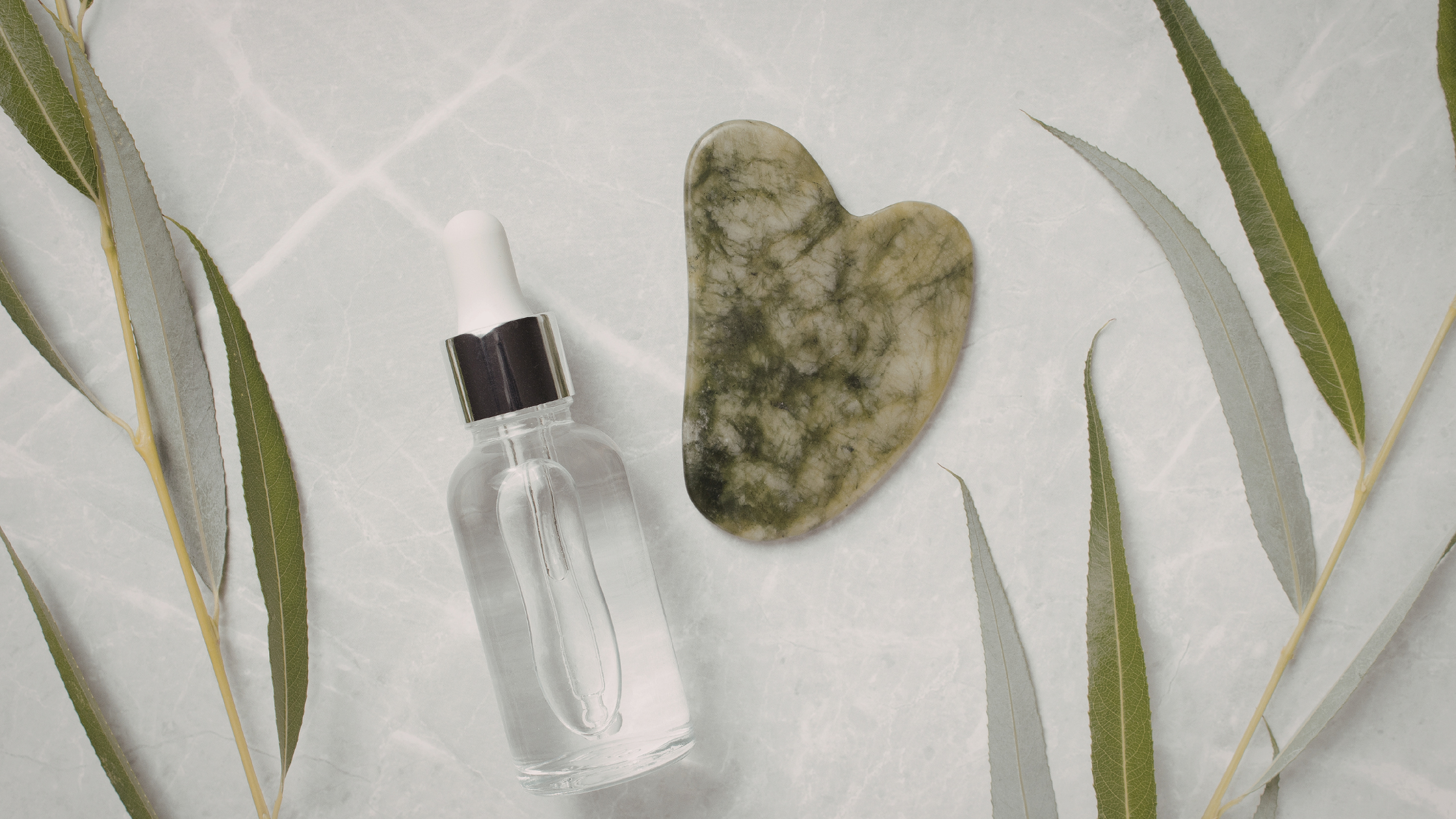
Gua sha therapy has been around for ages, and although it has just recently become trendy in the modern health and wellness magazines, it has always been considered as a method to assist in healing and bringing back the balance. It is a therapy that uses a flat, edged tool which is purposely pressed and “scraped” along the skin. The main objectives are to enhance blood flow, relax muscles, and trigger the body's detoxification naturally.
How Gua Sha Massage Works
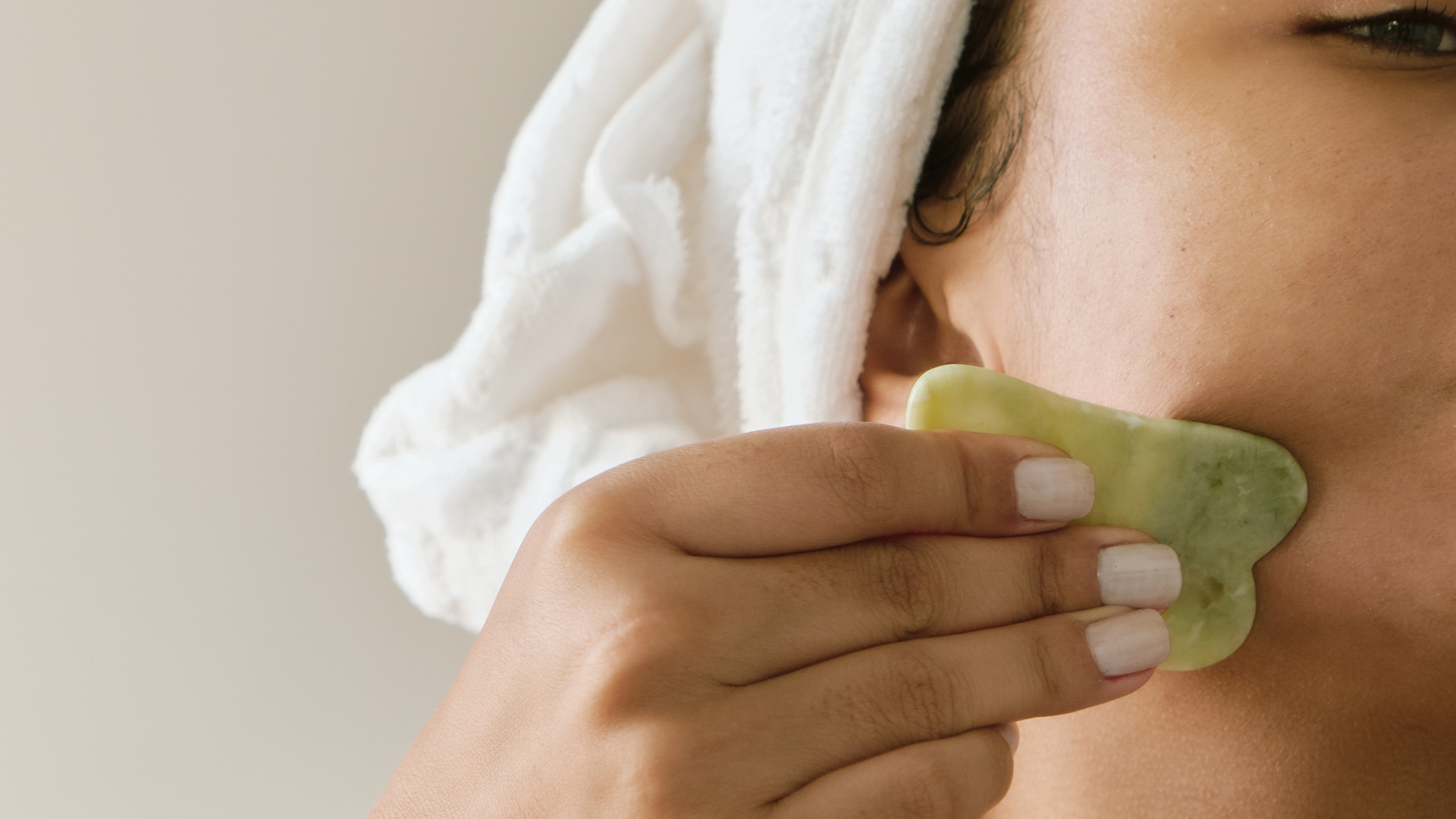
Unlike conventional hands, only massage, gua sha employs a special tool to apply steady, controlled pressure on the lines of tension.
The word "scraping" may seem severe; however, if done right, it is goal, oriented and healing. It brings about microcirculation in the soft tissue, resulting in increased blood flow to the specific area. This not only guarantees that the muscles receive oxygen and nutrients but also facilitates the redistribution of stagnant fluid and metabolic waste.
This stimulation can also result in a mild inflammatory response which is a natural consequence of the body healing itself.
Benefits of Gua Sha Massage
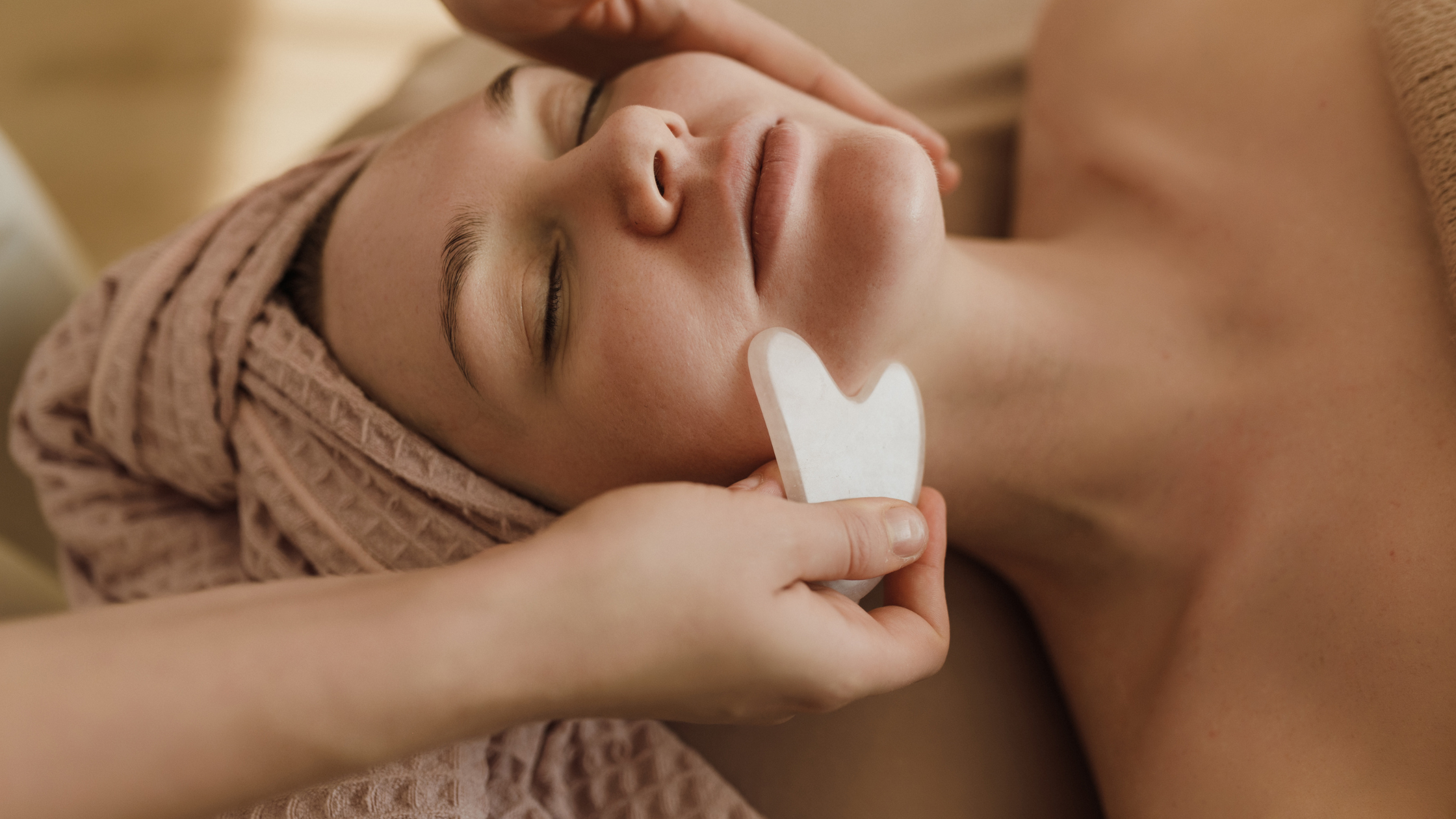
It is effective for chronic tightness, stiffness, or limited joint and muscle range of motion. This massage is often used along the back, shoulders, neck, and legs – places where tension usually builds up.
Regular sessions may be beneficial to:
Relieve muscle tightness that may have been gradually accumulated
Increase blood and lymph circulation
Reduce inflammation
Help recovery after a workout
Improve flexibility and range of motion
Given that the treatment targets muscle fibers and connective tissue, it can be very effective for those who think that conventional massage is not enough to address deeply, held tension
Gua Sha and Tension Release
Many individuals hold stress in their upper back and shoulders. Eventually, the tension is felt all the time and is not so easily released. Many people also tend to have stress accumulated in the upper back and shoulders which over years tends to be constant and difficult to release.
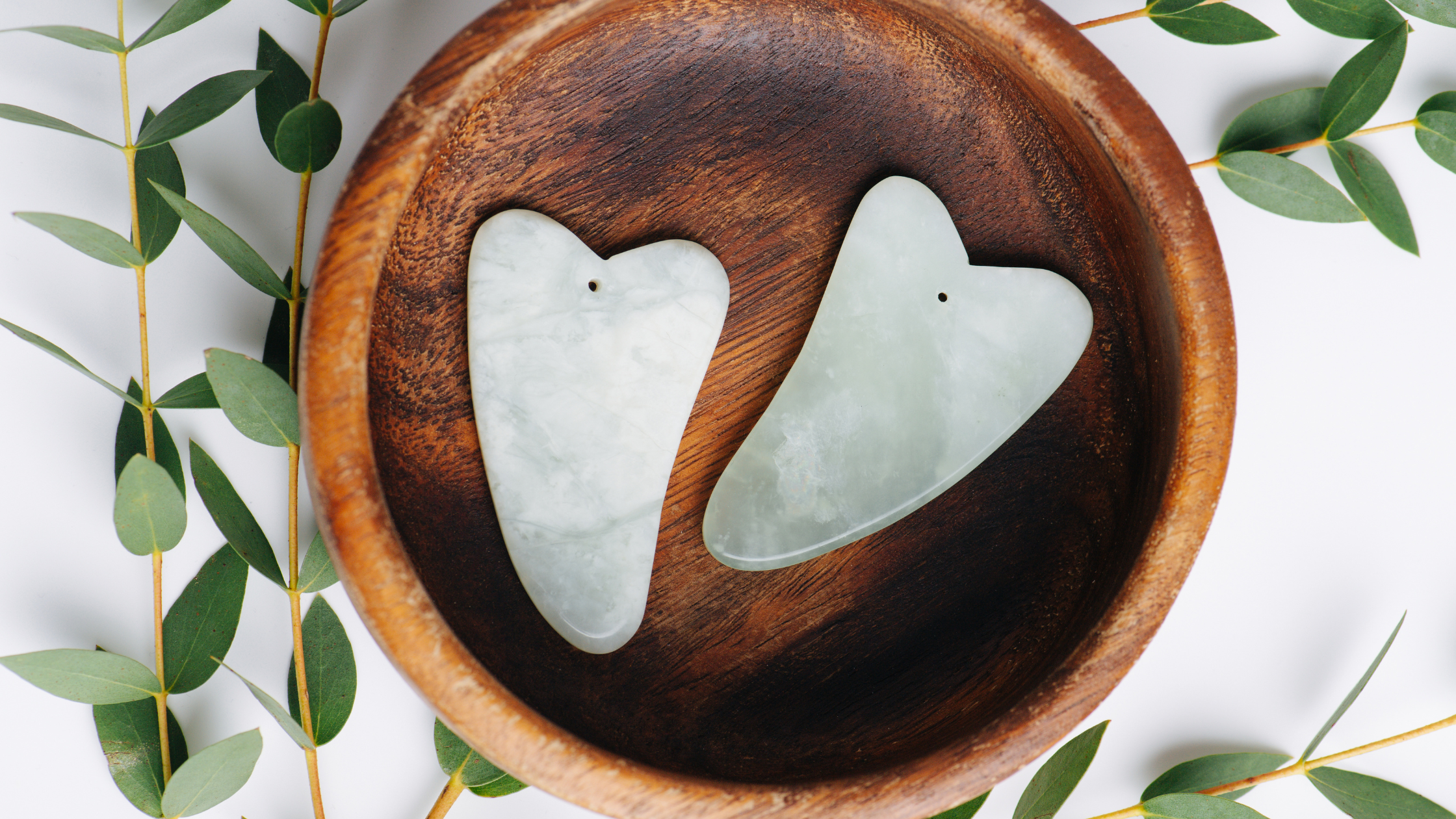
The scraping technique can help loosen fascia, which is the connective tissue around the muscles. When fascia is shortened or stuck, it may cause the restriction of movements and produce pain. This degrades muscle adhesion and creates a perceptible feeling of lightness and relief.
Is Gua Sha Massage Painful?
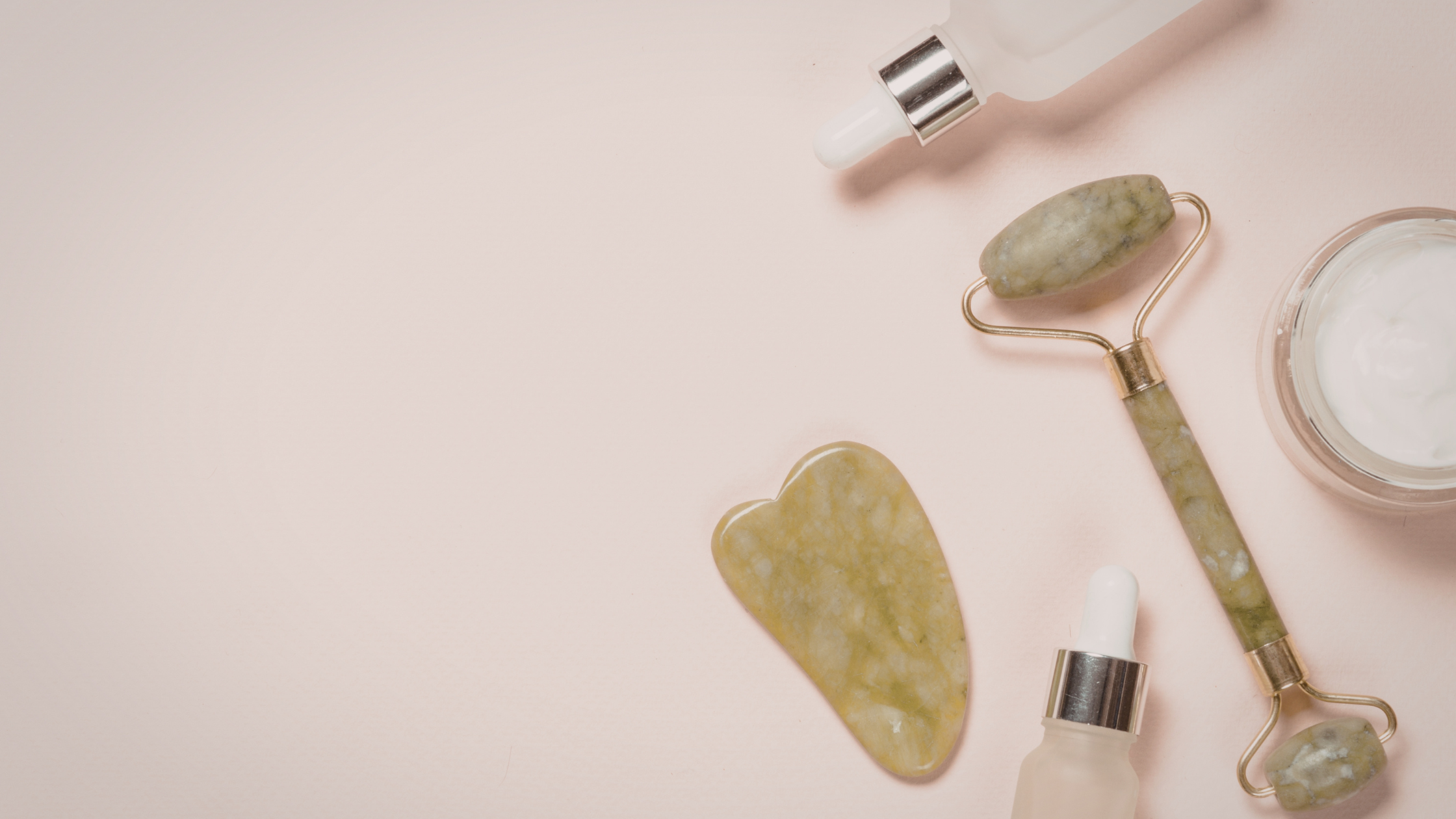
When administered by a trained professional, the gua sha massage should feel like a therapy and not pain. The pressure is always adjusted and therapeutic rather than harmful when performing the gua sha massage by a competent masseur;
A temporary redness or mild sensitivity afterward is common and disappears within a few days. Post-treatment hydration further aids in the body’s healing process.
Open communication during your session will help to ensure the experience is both effective and comfortable.
Who Is a Good Candidate?
Gua sha massage is best suitable for people who have persistent muscle tightness or who, due to their repetitive movement, have experienced physical stress or simply have a lack of mobility. Those who are also looking for a more holistic form of bodywork as a part of their wellness routine may be served well by this technique. Nevertheless, it might not be a good idea for people with some medical conditions, skin infections, or bleeding disorders. One should really see a professional before starting to make sure that it is safe for his or her needs.
A Complement to Traditional Massage
Gua sha massage is not a substitute for traditional massage — it complements it. Many therapists also incorporate gua sha techniques in a normal massage session to achieve the deepening of results and cover hard to relax areas.
In this way, precision and efficiency are achieved by combining manual massage and therapy with the use of tools. The approach accommodates both relaxation and the improvement of functions.